Balcony or Floor: Choosing a Concert Seat for the View You Want
Choose a balcony or floor concert seat by comparing sightlines, stage distance, and crowd feel, so the view fits the performance and your preferences.
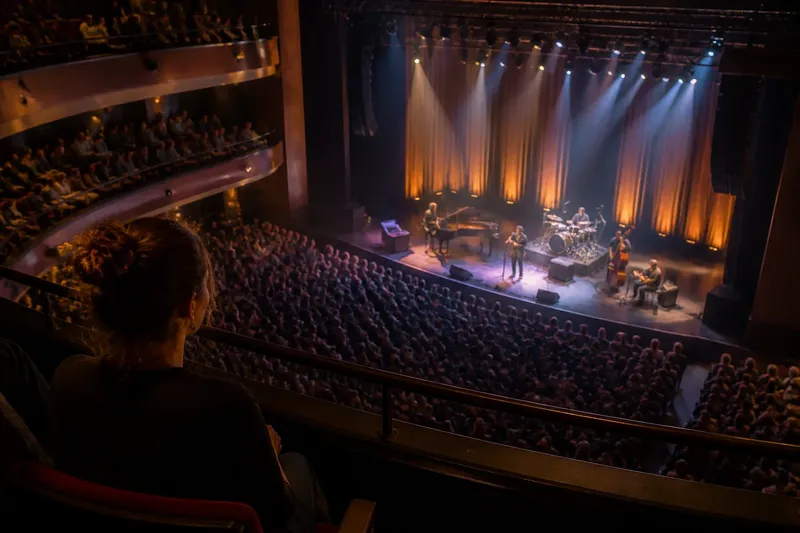
Which gives you the better concert view: a balcony seat or a spot on the floor? The answer depends on what you want to watch and how you like to experience the crowd. Before booking, check the venue’s layout and decide which trade-off matters least to you.
Decide what you want to see
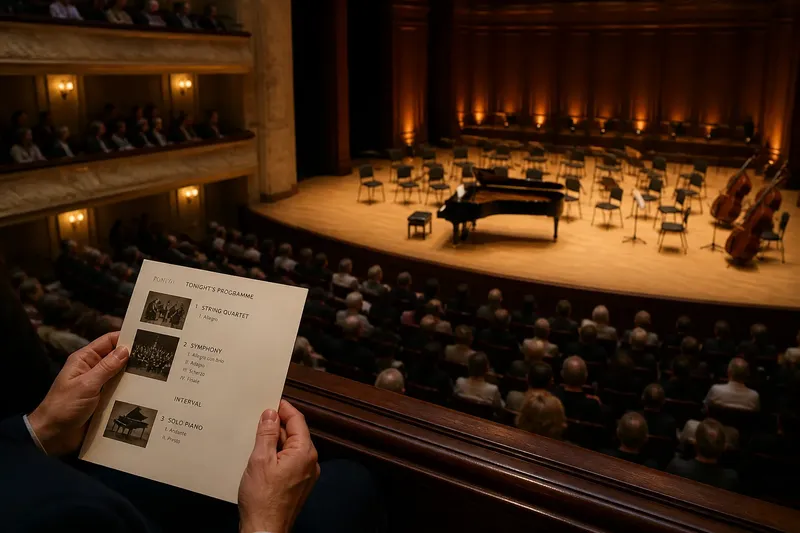
At a concert, “the view” can mean several things. You might want to see a singer’s expressions, follow a conductor’s cues, watch musicians across a wide stage, or take in the room and audience as part of the scene. Those wishes point toward different seats.
Pick the visual detail you would most regret missing. If it is a performer’s face or hand movements, distance matters. If you want to follow the whole ensemble or see the lighting design, a higher or more central seat may suit you better. Naming your priority keeps the search focused when a seating chart offers many options.
Also consider how much you want to feel surrounded by the crowd. On the floor, nearby reactions can make a familiar song feel shared. From a balcony, you may see the room’s movement as part of a larger scene. Neither is the right way to attend; they offer different kinds of presence.
Check the venue layout before choosing a section
Open the venue’s own seating map and check its section names and orientation. “Floor” may mean a standing area, reserved chairs, or a mixture that changes by event. A balcony may wrap around the sides, sit above the floor, or include seats angled toward the stage. The same label can describe different experiences from one hall to another.
Read the event page for a seating chart or view notes, and look for audience-perspective photos if the venue provides them. A stage diagram may show performer positions without showing a speaker stack, lighting tower, railing, or the angle of a side section. If a view is marked as limited, read the venue’s explanation rather than guessing what is obscured.
For a standing floor, think about where you would feel comfortable spending the performance. Near the front, people may shift or raise their arms. Farther back, you may see more of the stage and room. For a seated floor, check whether rows are level or tiered; that can affect how easily you see past the person ahead.
Compare sightlines, distance, and crowd feel
A sightline is the path from your seat to the part of the stage you care about. A centered balcony seat often gives a balanced view, while a side balcony can put you at an angle that makes some performers harder to see. On the floor, proximity can help with detail, but a flat layout may leave your view dependent on the people in front.
Distance changes more than the apparent size of the performers. From farther back, gestures and movement can read as part of a larger composition. Up close, expressions and the sense of live sound may feel more immediate, while the whole stage can be harder to take in at once. If you want to follow musicians interacting across the stage, some distance may help.
Then consider the audience around you. Floor sections can bring you into a dense, animated crowd; balcony seating can offer separation and a broader look at how the room responds. Some balconies sit close to the stage, so height does not automatically mean feeling detached. Check the section’s position, not just its name.
Say you are choosing between a centered balcony seat and a floor spot at the back for a show with several musicians spread across the stage. If you care most about seeing their interactions, you choose the balcony: its angle lets you take in the group at once. If feeling the audience’s energy matters more, you choose the floor, accepting that faces may look smaller. The choice follows your priority, not a universal ranking.
Use the seating map to make the final choice
Compare available seats in a consistent order: stage angle, height and distance, then crowd contact. This helps you avoid being swayed by a section name or seat color that does not show what the experience will feel like.
- Stage angle: Check whether the seat is centered, slightly off to one side, or strongly angled. If watching faces or visual cues matters most, choose the more direct view; otherwise, keep comparing the other features.
- Obstructions: Check for notes about a railing, equipment, or limited view. If an obstruction could cover the detail you care about, choose another section; if not, weigh the remaining trade-offs.
- Height: Check whether the seat is elevated above the rows or crowd ahead. If the map is unclear, consult venue photos or contact the box office; if the view looks clear, compare distance and angle next.
- Distance: Check whether the seat is close enough for the detail you want or far enough to take in the whole stage. If detail is the priority, favor the closer suitable option; if composition matters more, favor the wider view.
- Floor format: Check whether the floor is standing or seated for this event. If standing in a moving crowd suits you, keep that option open; if you prefer a reserved place, choose a seated section instead.
- Side placement: Check whether the angle could hide a performer, instrument, or part of the stage. If it might, look for another section or ask the venue; if not, weigh the seat’s other advantages.
- Access and movement: Check the venue’s access information and ask staff about suitable seating if easy movement or a particular access arrangement matters. If the listed option does not meet your needs, contact the venue before booking; otherwise, confirm the route and entrance details.
When a chart shows only broad sections, do not treat every seat within them as identical. A front-row balcony seat can feel different from one at the back, and an end-of-row floor seat can have another angle from a centered one. If the exact view is not shown, ask the box office about the section and event. Venue policies and accessible seating details vary, so consult the venue’s information for your performance.
Which seat questions help you decide before booking?
Is the balcony always better for seeing the whole stage?
No. A centered balcony often gives a useful overview, but a side position or low overhang can affect what you see. Check the specific section’s angle and view notes rather than choosing by level alone.
Is the floor always closer to the performers?
Not necessarily. The floor may include a large standing area, and the stage may be elevated or set back. Check the event layout and decide whether closeness, a full-stage view, or extra space matters most.
What if I cannot tell which seat has the clearest sightline?
Compare venue photos from the relevant sections and look for notes about rails or equipment. If those do not answer your question, contact the box office with the section and event name so staff can clarify the view.
Can a side balcony seat still be a good choice?
Yes, especially if you value elevation or a broad view of the room. Its angle may make some parts of the stage less visible, so weigh that against the features you most want to watch.
Match the seat to the kind of night you want
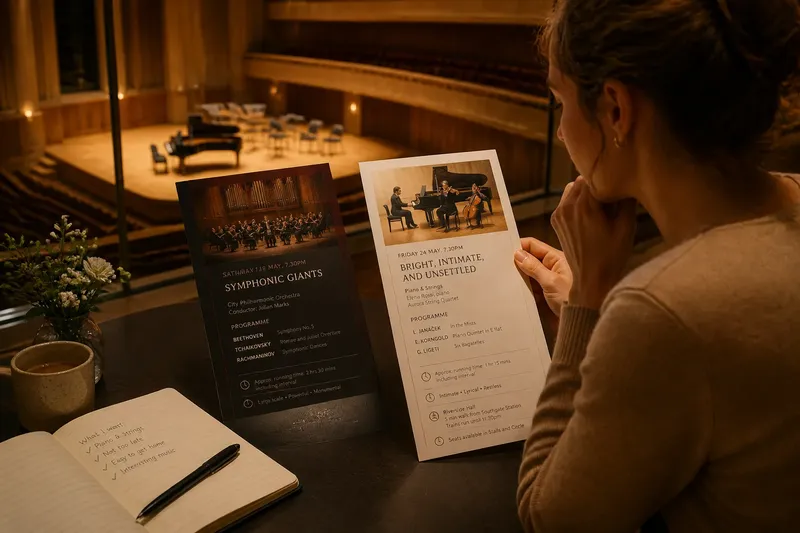
Before paying, put your preference in plain words: “I want to watch the musicians’ hands,” “I want the full stage,” or “I want to be in the middle of the crowd.” Then check whether the seat supports that priority. If two options seem equally suitable, choose the one whose drawback you are more willing to accept.
A balcony seat may trade closeness for a wider composition; a floor seat may trade a steady, unobstructed view for a stronger sense of being among the audience. For a balcony or floor concert seat, the useful question is not which level is best, but which view will help you enjoy this performance.
Keep the venue’s seating map or notes handy after booking, especially if you need to find a particular entrance or section. Knowing where to go leaves more of the evening for settling in and enjoying the view you chose.